
The Great Migration
Each year, safari-goers flock to the game-rich plains of the Serengeti-Mara ecosystem for one of the greatest wildlife spectacles on earth. But what is the Great Migration exactly?
Explore the Great Migration: A Month-by-Month Guide
The Great Migration is a year-round wildlife phenomenon that sees vast numbers of wildebeest make one of the most perilous journeys on earth. We’re often asked, “Where are the migration herds throughout the year?” Our expert guides map their movements month by month.

The Southern Plains
Between January and March, the wildebeest calving season is underway, and large herds congregate to graze on nutrient-rich grasses in the southern Serengeti and northern Ngorongoro Conservation Area. Hundreds of thousands of young are born within a matter of weeks, attracting dynamic predator action.
The Great Trek North
From April to July, the Great Migration shifts northward, moving from the southern plains into the central Serengeti and western corridor. May – July is also the rutting season. As July progresses, the herds reach the northern Serengeti, marking the critical period of their first major river crossings.

The Mara River Frontier
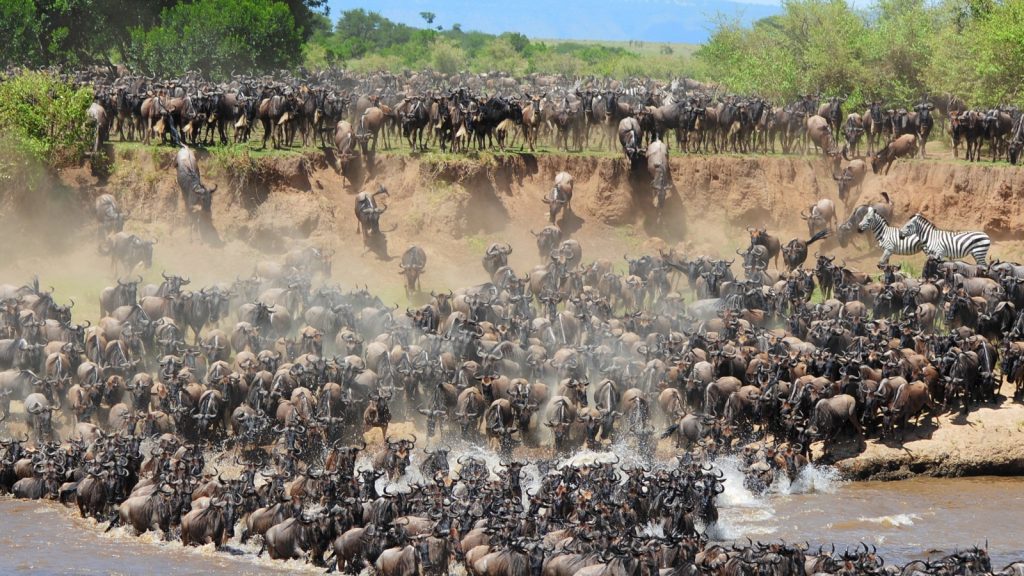
In late July, August, September, and October, the Great Migration’s mega herds face their greatest challenge yet: the treacherous, crocodile-filled Mara River. These are prime months for river crossings, characterized by some of the most intense predator-prey interactions and wildlife spectacles.
The Return Journey
November and December complete the migration cycle. After the rains, herds return to the southern Serengeti’s fresh, short-grass plains and northern Ngorongoro Conservation Area, where they settle to graze, preparing for the upcoming calving season.

Great Migration Trips
All trips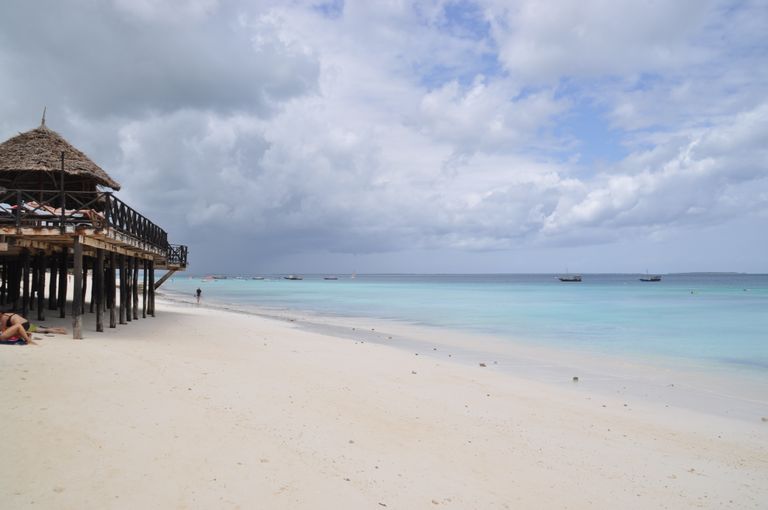
12 Days Tanzania Safari, Stone Town and Zanzibar Beach Holiday
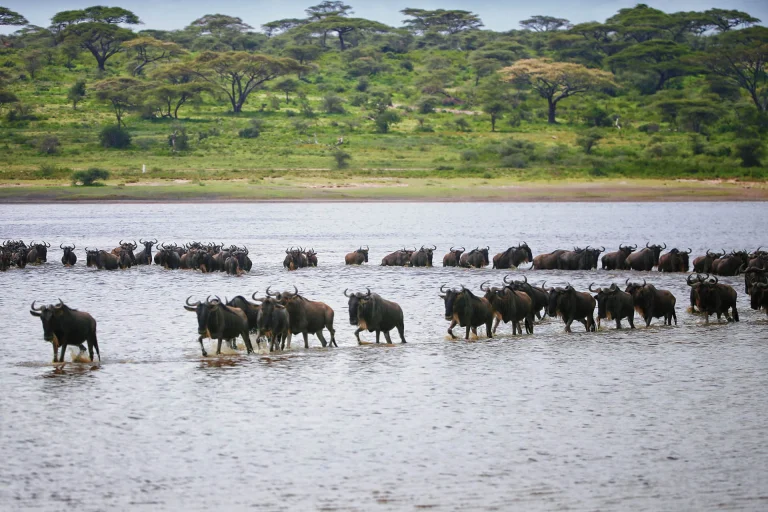
Wings Over Migration 5 Days Northern Serengeti Fly-In Safari
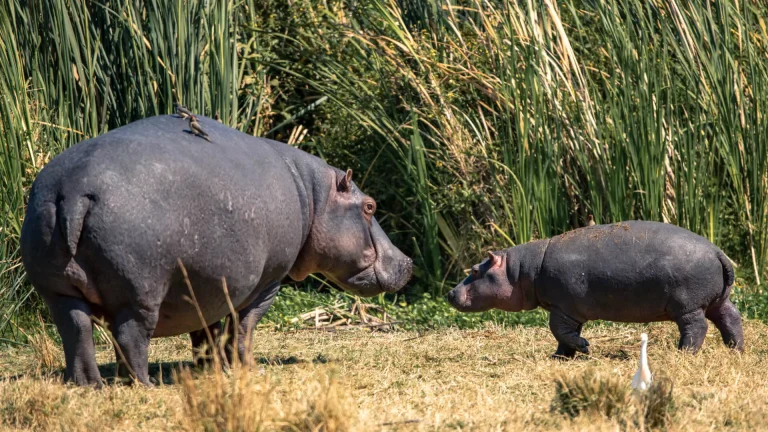
14 Days Young Adults Northern Tanzania Adventure Safari
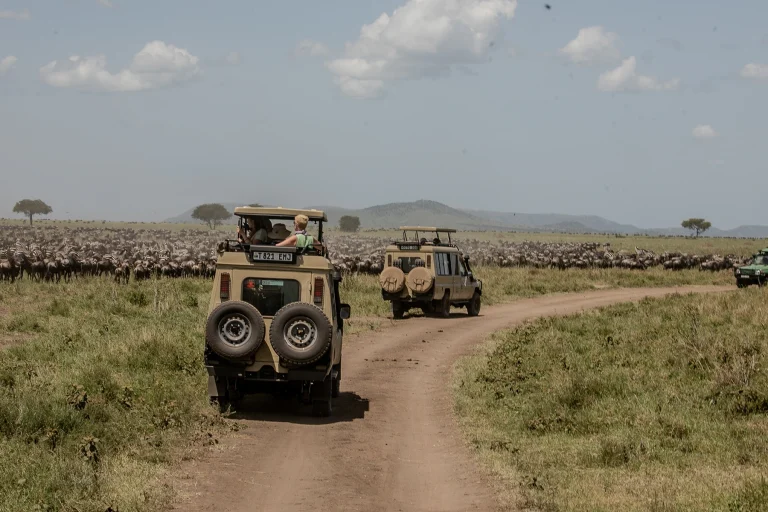
12 Days Ultimate Northern Tanzania Discovery Safari
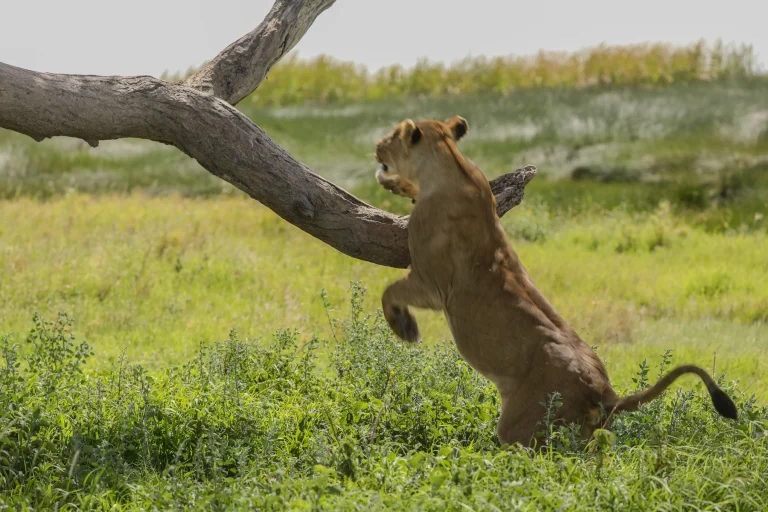
10 Days Tanzania Safari and Zanzibar Beach Holiday
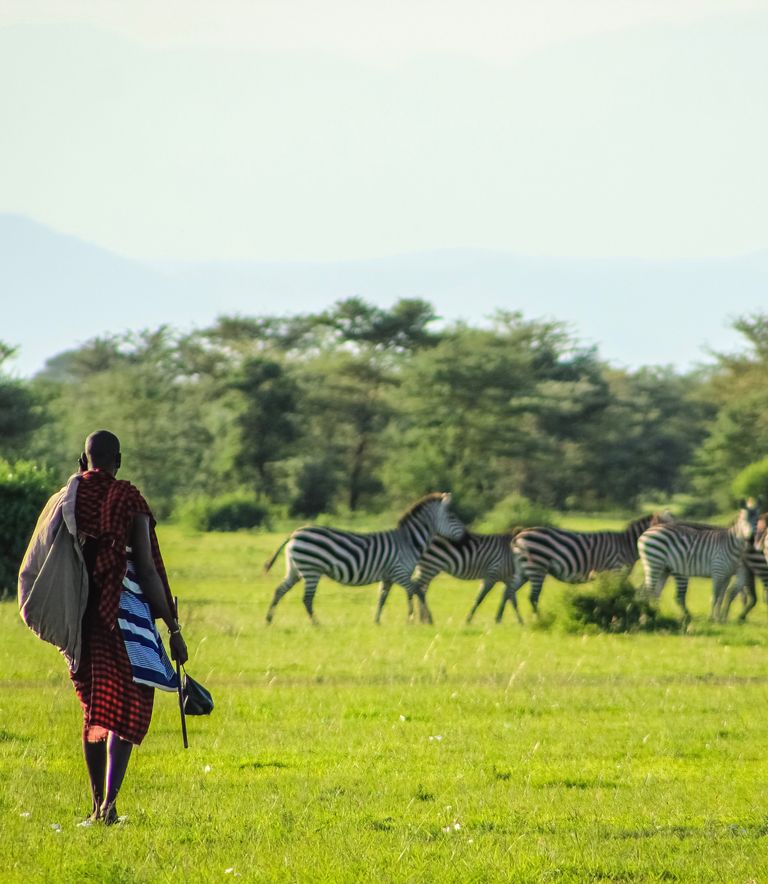
8 Days Tanzania Wildlife and Cultural Safari
Good to Know
Speak to an Expert
Let one of our Quest Horizon Safari specialists design
your tailor‑made African adventure