

Climbing Mount Kilimanjaro
The views from the top of Mount Kilimanjaro are absolutely spectacular! On a clear day, you can see the Maasai Steppe, Mount Meru, Mount Longido, and the ‘Mountain of God’, Ol Doinyo Lengai.
Best Time to Go
Which Route is the Best?
Routes up Mt Kilimanjaro approach from either the east or the west. Among the eastern routes are Rongai and Shira, while the western routes include Lemosho, Machame, Rongai, and Marangu. The eastern approaches are harder, as they involve extra hours of walking at high altitude. If your group is up for this challenge, we recommend Rongai. As for the western routes, we don’t tend to use Marangu due to its sheer busyness and the poor quality of accommodation along the way, but Lemosho and Machame are excellent options. Both approach via the scenic Stella Point. Machame is busier yet is shorter and has a high summit success rate, whereas Lemosho is perfect for serious trekkers looking for a really immerse experience!
When you book with us, we use the best mountain guides, who assist with both routes. They will brief groups in full before the climb begins, to ensure there are no surprises! Typically, you’ll start your ascent of Kili at about 8 in the morning. But the final push towards the summit from your highest camp is a lot earlier, usually 2am, to make sure climbers reach the crater rim at sunrise and have time to descend back to camp following their push to the summit.
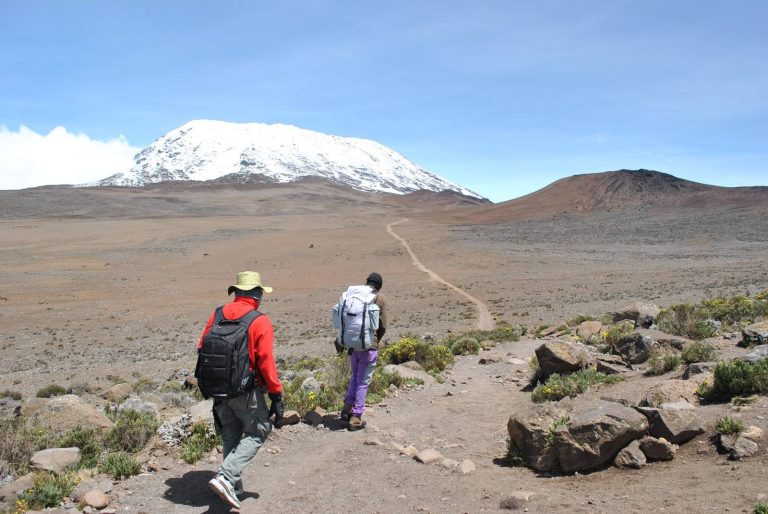
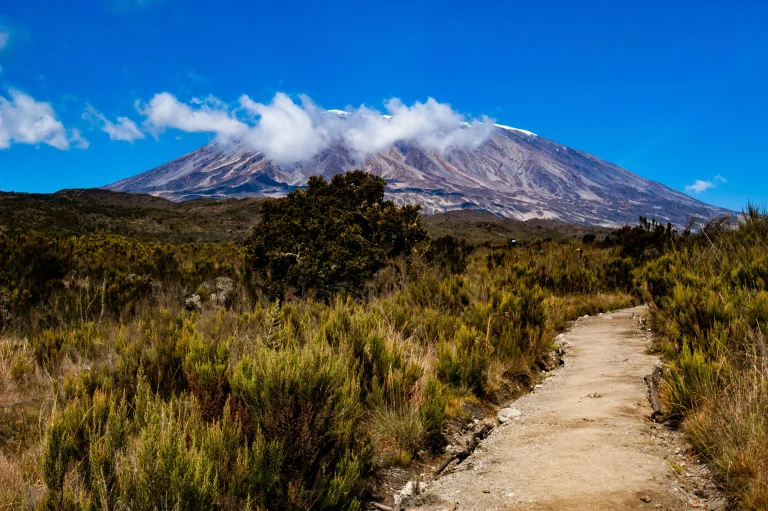
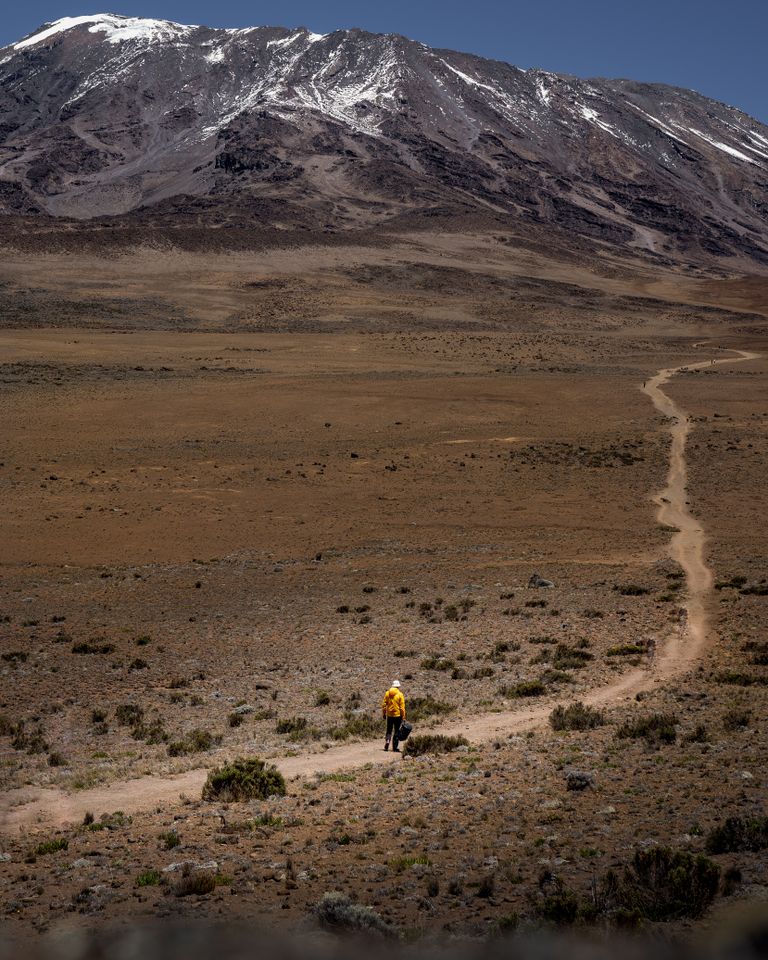
What Can You See on Your Kilimanjaro Climb?
Both routes take climbers through four particular climate zones. These are termed the Forest Zone, the Heather and Moorland Zone, the Highlands Desert Zone, and finally the Summit Zone.
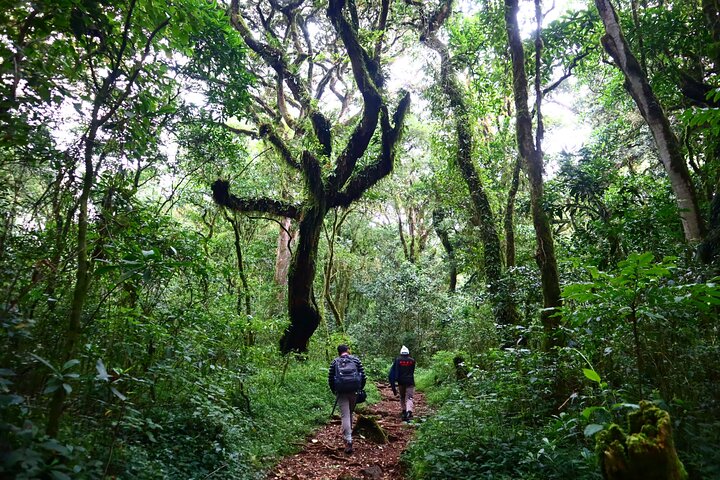
The Forest Zone
The Forest Zone consists of rainforest that circles most of the mountain. This rich habitat is home to a wide variety of flora and fauna, although wildlife is difficult to see due to the thickness of the vegetation.
Trekking through the forest is certainly a pleasant experience, though, with plenty of shade offered by huge trees draped in thick moss. However, this is the zone in which climbers are most likely to experience rain.
The Heather and Moorland Zone
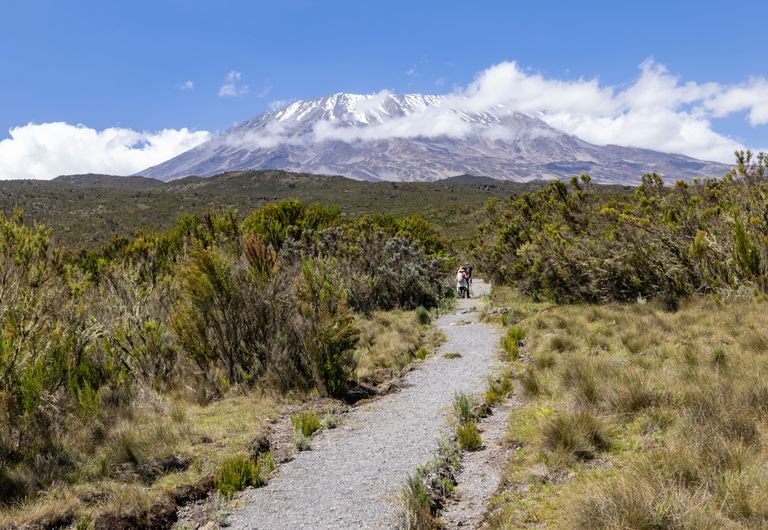
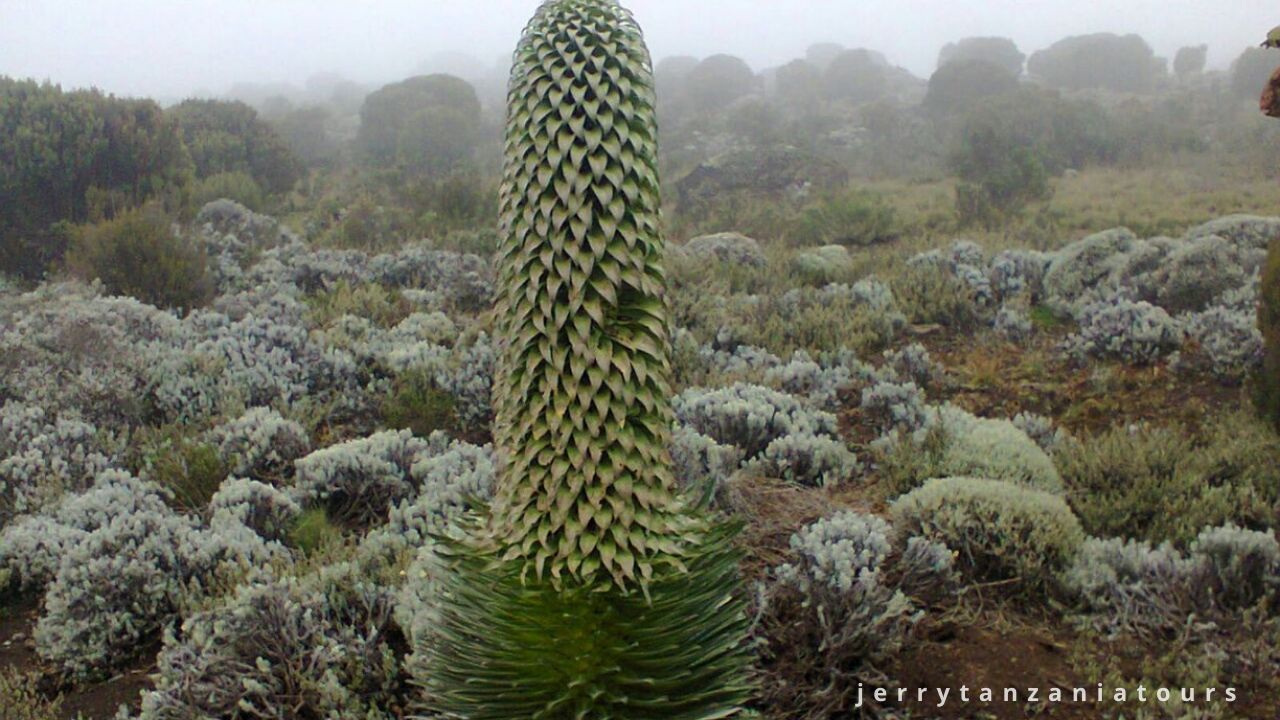
The Heather and Moorland Zone is much more open than the forest, exposing hikers to deceptively strong sunshine exacerbated by the fact that there’s little to no cloud cover up here due to gusting winds. We recommend bringing a good hat and plenty of sunscreen!
The Highlands Desert Zone
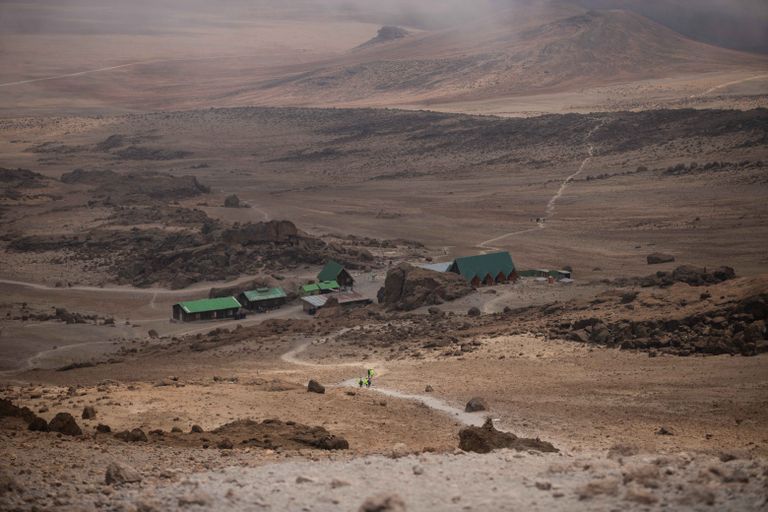
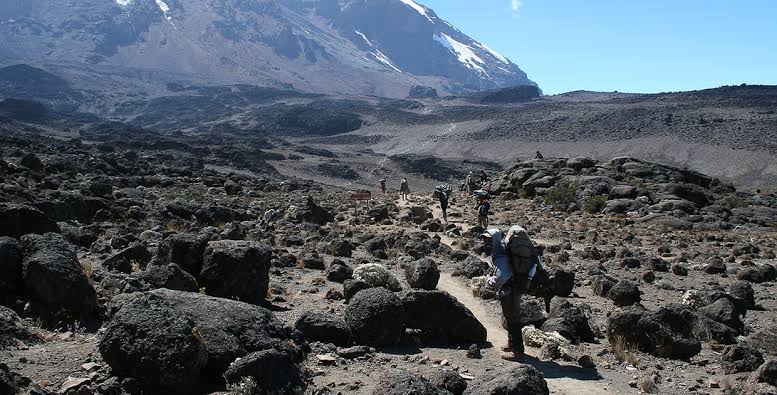
Once you enter the Highlands Desert Zone, you’ll find yourself in an alien boulder-strewn landscape. There is no protection whatsoever from the sunshine up here and the air is incredibly dry, necessitating plenty of sunscreen and lip balm. At night, conditions become somewhat uncomfortable, with temperatures dipping well below zero, so keeping some layers of clothing on in your sleeping bag is advisable here.
The Summit Zone
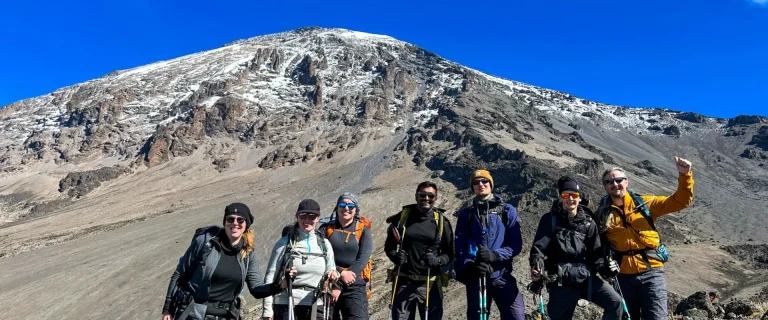
The final zone is known either as ‘the Summit Zone’ or more scientifically as the Arctic Zone. As the name suggests, it is bitterly cold up here, and covering your nose and mouth with a balaclava or scarf is a great way to avoid cracked lips. All summit attempts depart at about 2am, as this is when the scree slopes, comprising loose gravel and stones, are at their most stable and climbing is a lot easier to do.

FAQs
Speak to an Expert
Let one of our Quest Horizon Safari specialists design
your tailor‑made African adventure