6 Days Marangu Route Kilimanjaro Climb

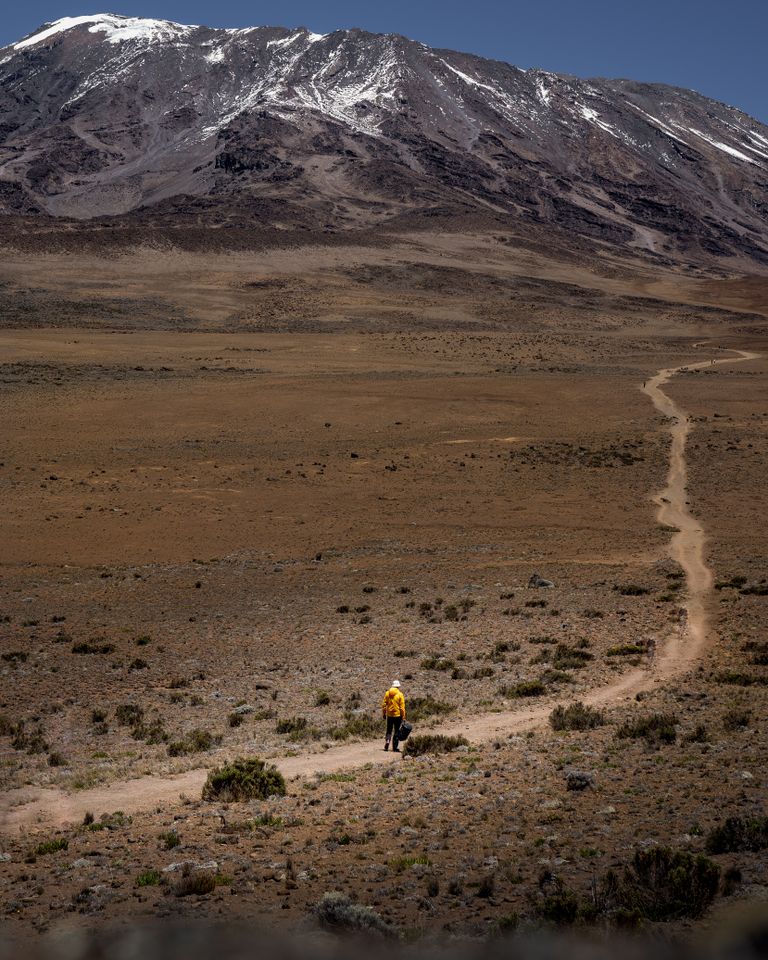
Climb Africa’s highest mountain on the classic 6 Days Marangu Route Kilimanjaro Climb, a hut-based trekking adventure that approaches the mountain from its southeastern side.

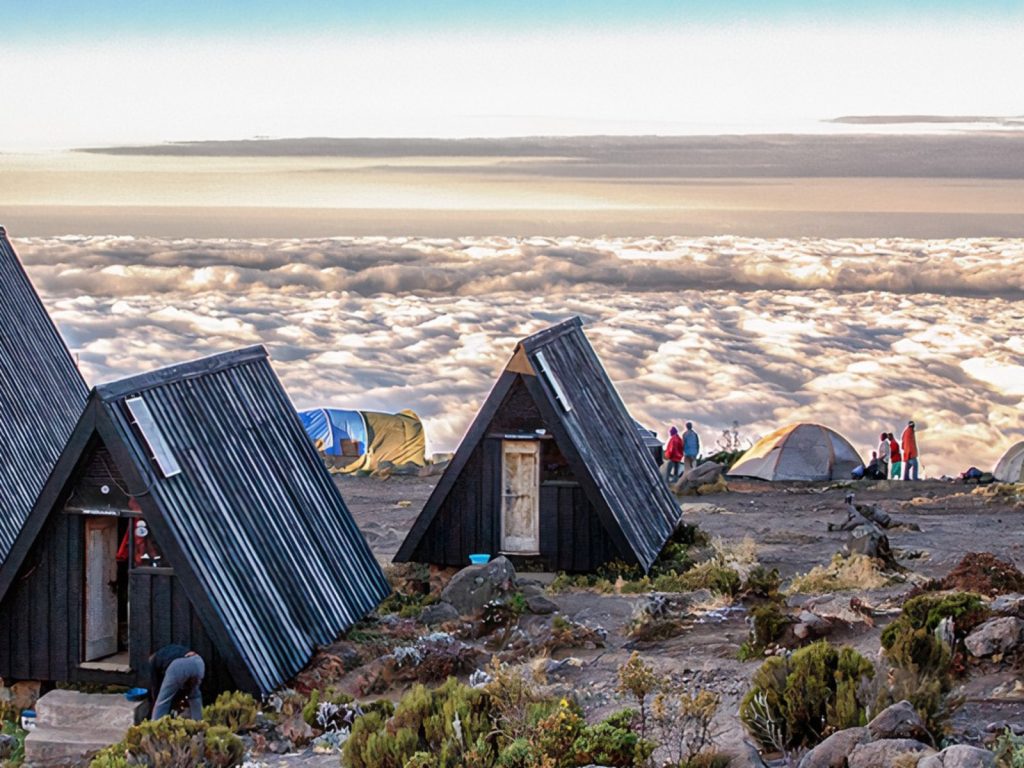
Often called the Coca-Cola Route, Marangu is Kilimanjaro’s oldest and most established climbing trail. It is also the only main route where climbers sleep in permanent mountain huts rather than tents.
Marangu route

Duration

6
Days

Duration

5
Nights
You’ll Visit

Marangu Route Highlights

  • Kilimanjaro’s only main hut-based climbing route
  • Gradual southeastern approach through diverse landscapes
  • Tropical rainforest and mountain wildlife encounters
  • Maundi Crater excursion and scenic viewpoints
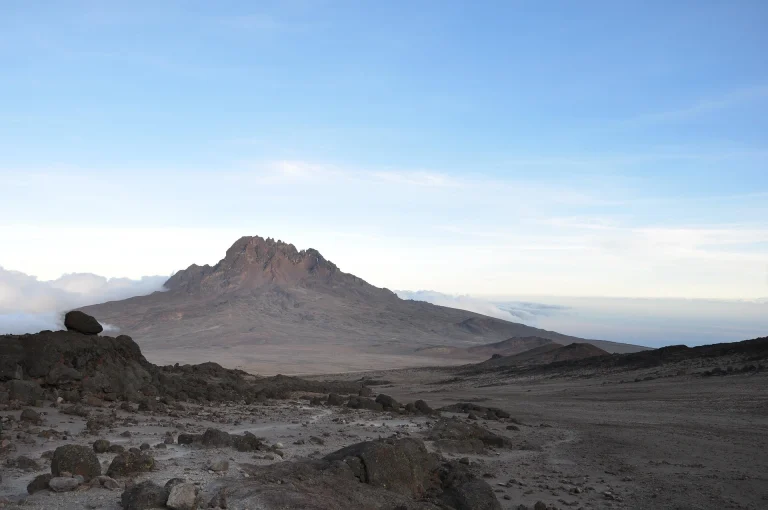
  • Heath and moorland landscapes with views of Mawenzi Peak
  • Dedicated acclimatization day at Horombo Hut
  • Overnight summit attempt to Uhuru Peak
  • Scenic descent through multiple ecological zones
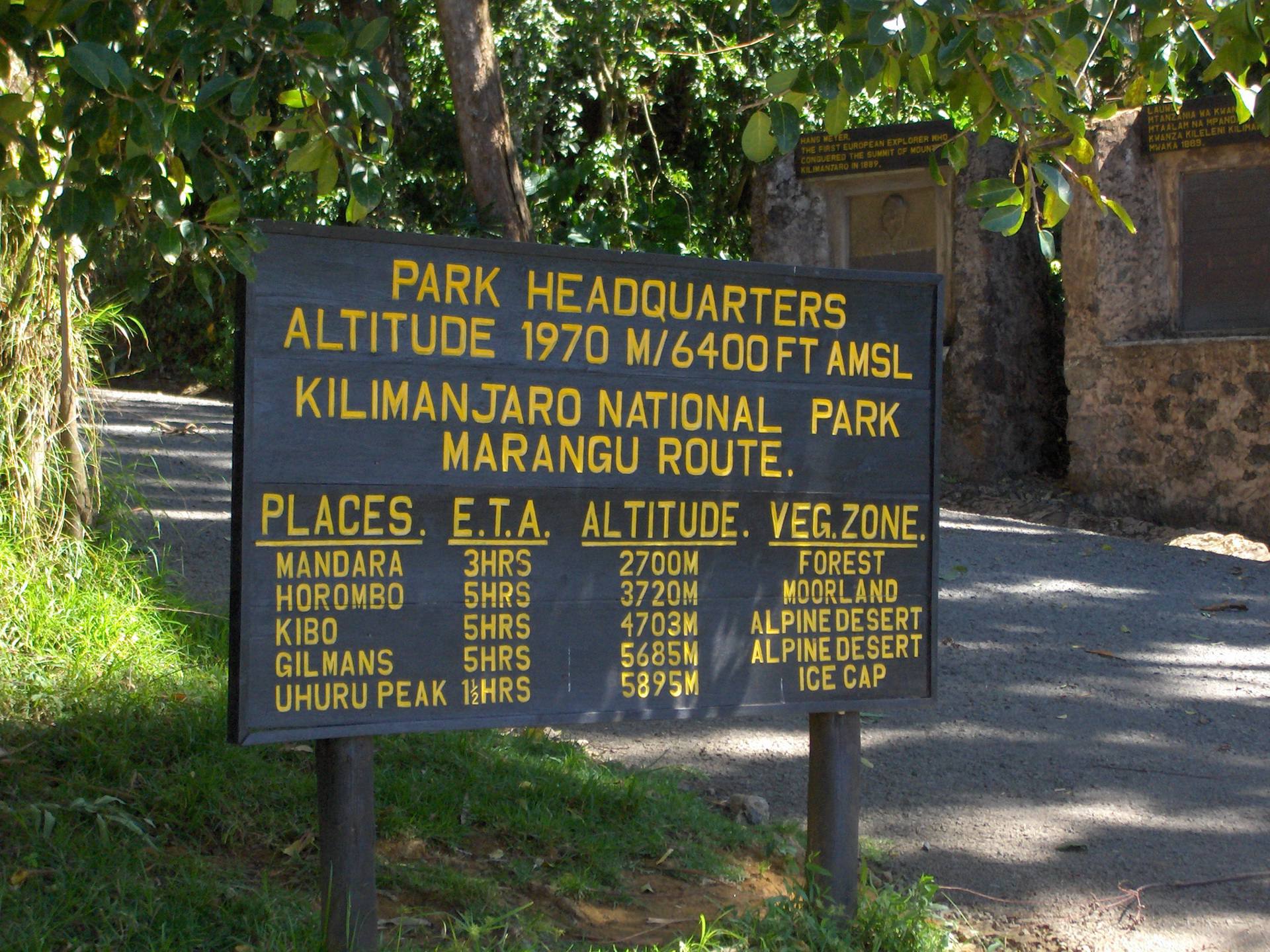
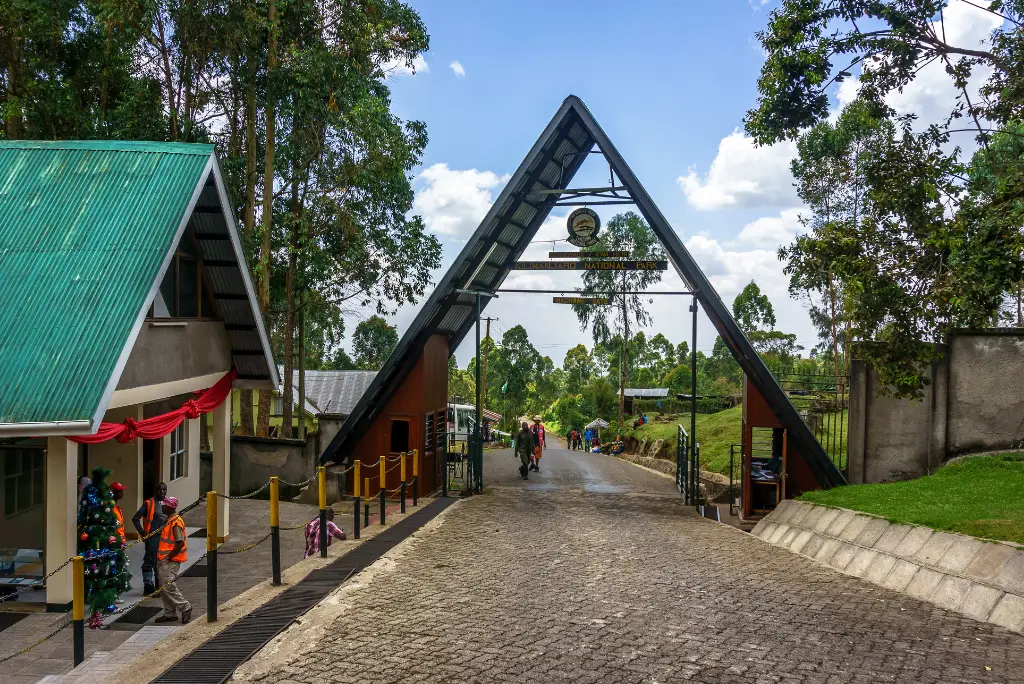
Kilimanjaro climb Marangu gate

Safari Seasons & Pricing

Interested in this safari?

Get in touch with our travel experts for a personalized quote tailored to your preferences and travel dates.

Inquire Now

Route Itinerary

Make an Inquiry

Essential Equipment

  • Waterproof trekking boots
  • Warm sleeping bag
  • Waterproof jacket
  • Waterproof trousers
  • Down jacket
  • Thermal clothing
  • Warm gloves
  • Sun hat
  • Sunglasses
  • Headlamp
  • Trekking poles
  • Daypack
  • Duffel bag
  • Water bottles
  • Sunscreen
  • Lip balm
  • Camera
  • Personal medications

and many more…

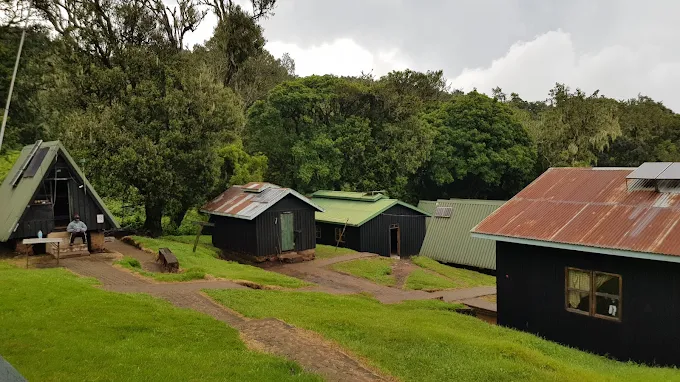
Mandara Hut1 night
1
Marangu Gate to Mandara Hut

Starting Altitude: Approximately 1,860 metres
Finishing Altitude: Approximately 2,700 metres
Walking Time: Approximately 4–5 hours
Habitat: Tropical rainforest

After breakfast at your hotel, meet your Kilimanjaro mountain guide and support team.

Drive to Marangu Gate on the southeastern side of Mount Kilimanjaro.

At the gate, your guide will complete the required registration procedures while porters organize luggage, food and mountain equipment.

The process may take time depending on the number of climbing groups entering the park.

Once registration is completed, begin walking through the tropical rainforest.

The trail is often shaded and may be wet or muddy, particularly during or after rainfall.

The forest contains:

  • Tall trees
  • Ferns
  • Mosses
  • Wildflowers
  • Birds
  • Blue monkeys
  • Black-and-white colobus monkeys

Wildlife sightings cannot be guaranteed, but the rainforest provides one of the most biologically diverse sections of the climb.

Your guide will establish a slow and comfortable pace.

On Kilimanjaro, walking slowly is essential, even when the lower trail feels easy.

The Swahili phrase pole pole, meaning slowly, slowly, will become an important part of the climb.

Stop for lunch or snacks along the route before continuing to Mandara Hut.

After arrival, register with the hut staff and settle into your shared sleeping accommodation.

Depending on arrival time, weather and energy levels, take an optional walk to Maundi Crater.

The crater viewpoint may provide views toward northern Tanzania and, in clear weather, across the border toward Kenya.

Return to Mandara Hut for dinner and your first night on Mount Kilimanjaro.

Horombo Hut4 night
2
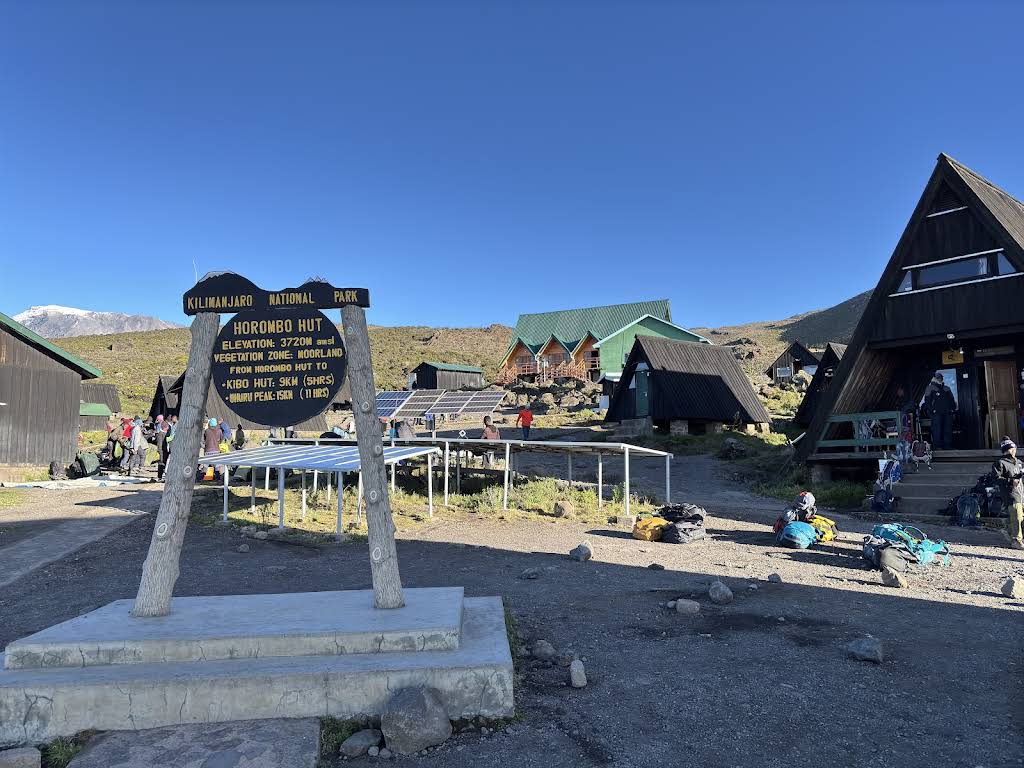
Mandara Hut to Horombo Hut

Starting Altitude: Approximately 2,700 metres
Finishing Altitude: Approximately 3,720 metres
Walking Time: Approximately 6–8 hours
Habitat: Rainforest, heath and moorland

After breakfast, leave Mandara Hut and continue upward.

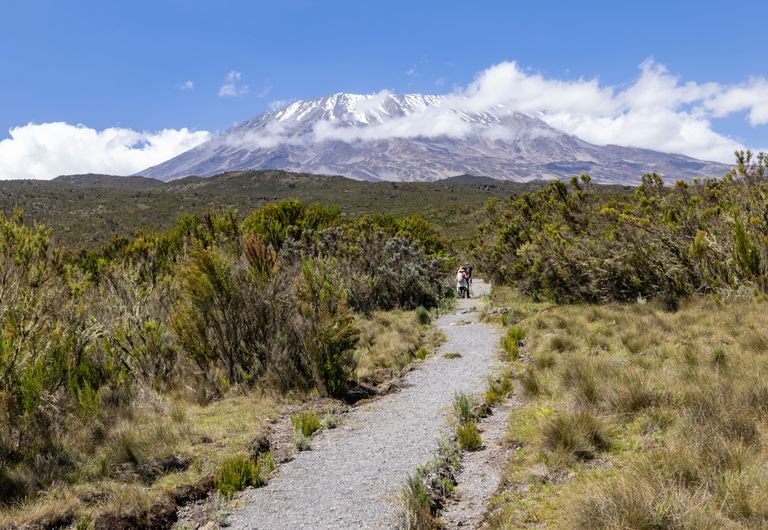
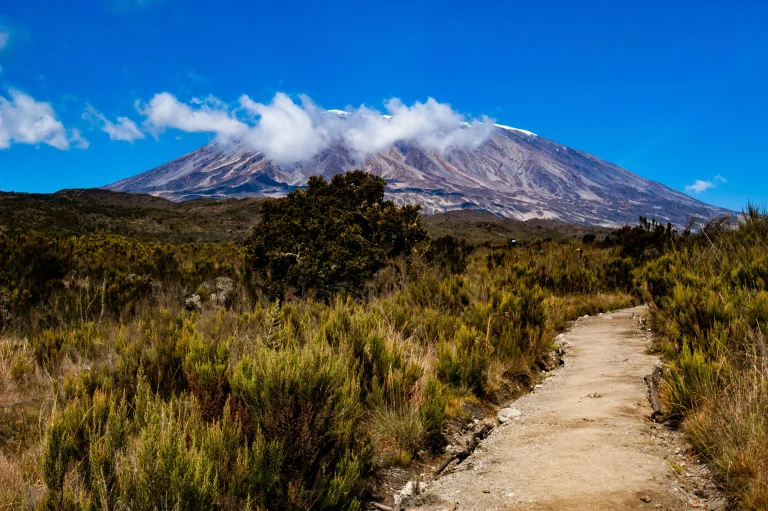
The trail gradually leaves the rainforest and enters the heath and moorland zone.

Vegetation becomes shorter and more open as altitude increases.

The landscape may include:

  • Giant heathers
  • Protea plants
  • Grasses
  • Volcanic rock
  • Giant groundsels
  • Lobelias
  • Open views of the mountain

When weather conditions are clear, climbers may see Mawenzi Peak to the east and the rounded summit dome of Kibo ahead.

The trail remains gradual, but the increasing altitude may make the walking feel more demanding.

You may begin to notice:

  • Faster breathing
  • Reduced appetite
  • Mild headache
  • Fatigue
  • Changes in sleeping patterns

Report all symptoms honestly to your guide.

Do not hide altitude-related symptoms because early identification is important for safety.

Stop for lunch during the trek and continue slowly toward Horombo Hut.

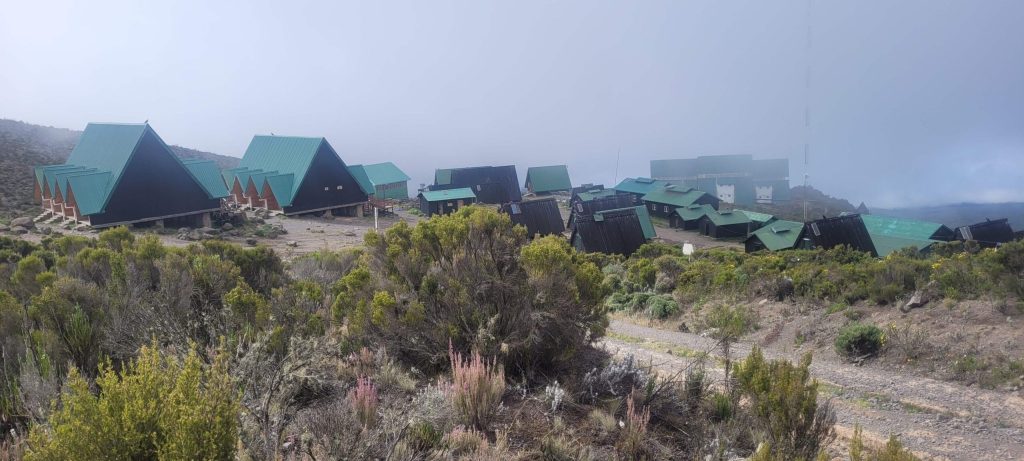
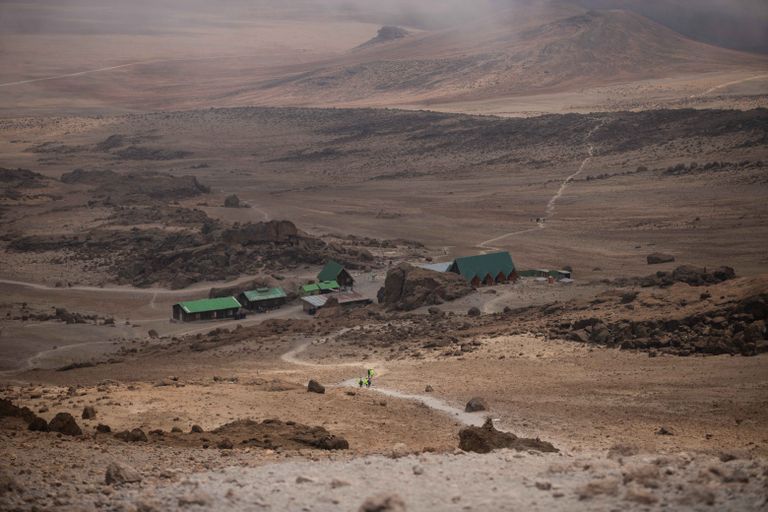
Horombo is one of the largest and busiest hut areas on the Marangu Route.

Both ascending and descending climbers may stay here, creating a lively mountain atmosphere.

After arrival, rest, change into warm clothing and drink plenty of fluids.

Your guide will conduct a health check that may include questions about:

  • Headache
  • Nausea
  • Appetite
  • Dizziness
  • Breathing
  • Fatigue
  • Sleep
  • Urination
  • General energy

Dinner and overnight at Horombo Hut.

3
<strong>Horombo Hut Acclimatization Day</strong>

Sleeping Altitude: Approximately 3,720 metres
Highest Walking Point: Approximately 4,000 metres or higher, depending on conditions
Walking Time: Approximately 3–5 hours
Habitat: Heath, moorland and alpine transition

Today is dedicated to acclimatization.

After breakfast, begin a gradual walk toward Zebra Rocks or another suitable point selected by your guide.

Zebra Rocks are named after their distinctive black-and-white mineral patterns.

The purpose of today’s walk is not speed or distance.

The aim is to climb higher during the day and return to sleep at Horombo Hut.

This follows the basic acclimatization principle of:

Climb high and sleep low.

During the excursion, enjoy views of Mawenzi Peak and the surrounding high-altitude landscape.

Your guide may explain:

  • Acclimatization
  • Breathing techniques
  • Hydration
  • Mountain weather
  • Symptoms of altitude illness
  • Summit-night preparation
  • The importance of pacing

Return to Horombo Hut for lunch.

Spend the afternoon resting and preparing your equipment.

Check that the following items are organized and accessible:

  • Warm base layers
  • Insulated jacket
  • Waterproof outer layers
  • Gloves
  • Warm hat
  • Headlamp
  • Spare batteries
  • Water bottles
  • Snacks
  • Personal medication
  • Sunglasses
  • Sunscreen

Drink regularly but avoid forcing excessive amounts of water.

Dinner and second overnight at Horombo Hut.

Mountain Expert Tip

An acclimatization day should not be treated as a race or a rest day spent entirely inside the hut. A slow, controlled walk to a higher elevation helps your guide assess how your body is responding.

4
Horombo Hut to Kibo Hut

Starting Altitude: Approximately 3,720 metres
Finishing Altitude: Approximately 4,700 metres
Walking Time: Approximately 6–8 hours
Habitat: Moorland and alpine desert

After an early breakfast, leave Horombo Hut and continue toward Kibo Hut.

The vegetation gradually becomes thinner as you enter the alpine desert.

The route may pass near the last reliable water point, depending on current park procedures and water availability.

Your mountain crew will carry the necessary water for the upper section, but climbers must follow the guide’s instructions regarding personal hydration.

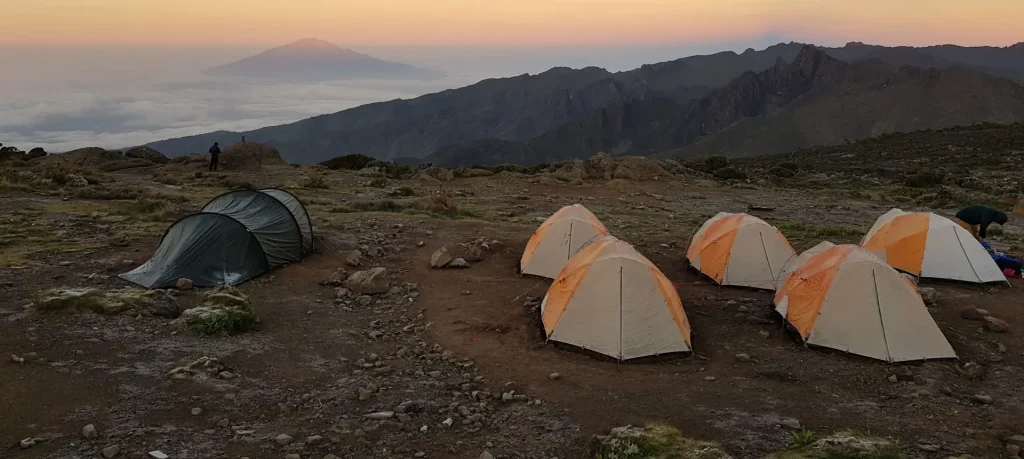
Continue across the broad saddle between Mawenzi and Kibo.

This high-altitude landscape is exposed, dry and dramatic.

Possible conditions include:

  • Strong sunlight
  • Cold wind
  • Dust
  • Low cloud
  • Sudden temperature changes
  • Light snow or hail
  • Reduced visibility

The trail is generally gradual but can feel difficult because of the altitude.

Maintain a slow pace and avoid unnecessary exertion.

Kibo Hut sits beneath the summit cone.

After arrival, eat an early meal and prepare for the overnight summit attempt.

Your guide will conduct a detailed summit briefing covering:

  • Departure time
  • Clothing layers
  • Headlamp use
  • Water management
  • Snacks
  • Rest stops
  • Communication
  • Symptoms that must be reported
  • Turning-back procedures
  • Team positioning
  • Crater-rim conditions
  • Uhuru Peak continuation

Organize your summit equipment before resting.

Most climbers begin the final ascent around midnight or shortly before, depending on the guide’s plan and group condition.

Sleep may be limited because of altitude, anticipation and the early departure.

5
Kibo Hut to Uhuru Peak and Descent to Horombo Hut

Starting Altitude: Approximately 4,700 metres
Highest Altitude: 5,895 metres
Finishing Altitude: Approximately 3,720 metres
Total Walking Time: Approximately 12–16 hours
Habitat: Arctic summit zone, alpine desert and moorland

This is the most demanding day of the climb.

Wake around midnight, dress in warm layers and have a light meal or hot drink.

Begin climbing in darkness using headlamps.

The trail rises steeply over loose volcanic scree.

Your guide will maintain a very slow, steady rhythm.

The air becomes increasingly thin, temperatures fall and each step requires concentration.

The route normally passes landmarks such as Hans Meyer Cave before continuing toward the crater rim.

Climbers may experience:

  • Extreme fatigue
  • Cold hands and feet
  • Headache
  • Reduced appetite
  • Nausea
  • Slow movement
  • Emotional changes
  • Shortness of breath
  • Difficulty concentrating

Report all symptoms immediately.

Your guide has the authority to stop a climber’s ascent when continuing would create an unacceptable safety risk.

Reaching the summit is never more important than returning safely.

After several hours, reach Gilman’s Point, located on the crater rim at approximately 5,681 metres.

Reaching Gilman’s Point is a major achievement.

Climbers who are healthy, stable and strong enough may continue around the crater rim toward Uhuru Peak.

The route from Gilman’s Point to Uhuru Peak can take approximately 1½–2 hours or more, depending on pace and conditions.

The rising sun may illuminate the glaciers, crater and surrounding landscapes.

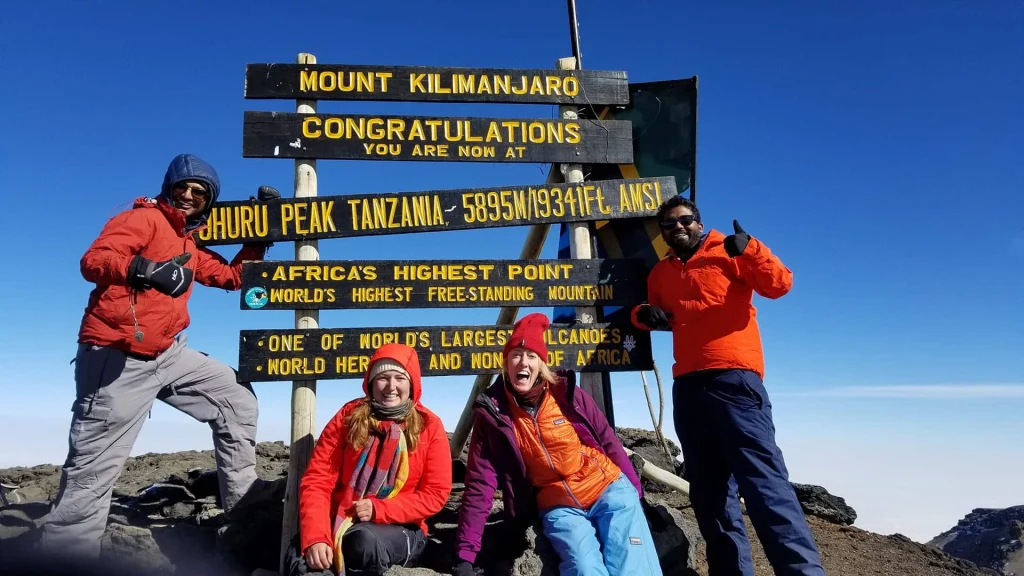
Reach Uhuru Peak at 5,895 metres, the highest point in Africa.

Take photographs and enjoy a brief celebration, subject to weather, crowding and guide instructions.

Time at the summit is normally limited because of altitude and cold.

Begin descending to Kibo Hut.

The descent over loose scree is faster but can be tiring for the knees and legs.

At Kibo Hut, rest briefly, eat and collect any equipment left behind.

Continue descending to Horombo Hut.

This is an extremely long day, and climbers should remain focused even after reaching the summit.

Arrive at Horombo Hut for dinner, rest and overnight.

Departure
6
<strong><strong>Horombo Hut to Marangu Gate</strong></strong>

Starting Altitude: Approximately 3,720 metres
Finishing Altitude: Approximately 1,860 metres
Walking Time: Approximately 5–7 hours
Habitat: Moorland and tropical rainforest

After breakfast, begin the final descent.

Walk from Horombo Hut toward Mandara Hut, passing once again through moorland and heath.

Continue into the tropical rainforest.

The lower trail may be wet and slippery, so trekking poles and careful footing remain important.

Although the summit attempt is complete, climbers must continue paying attention because tired legs increase the possibility of slipping.

Arrive at Marangu Gate and complete the park sign-out procedure.

Successful climbers may receive certificates according to the highest officially reached point and current park procedures.

Meet the vehicle and transfer to your hotel.

A hot shower, fresh clothing and proper rest will be welcome after six days on the mountain.

Depending on arrangements, enjoy a celebratory lunch or dinner.

Inclusions

  • Kilimanjaro airport transfers as specified
  • Pre-climb briefing
  • Transfer from hotel to Marangu Gate
  • Return transfer from Marangu Gate to hotel
  • Kilimanjaro National Park entrance fees
  • Rescue fees
  • Hut accommodation fees
  • Professional licensed Kilimanjaro guide
  • Assistant guides according to group size
  • Mountain cook
  • Porters
  • Three meals per day on the mountain
  • Treated or boiled drinking water on the mountain
  • Hot drinks during meals
  • Shared mountain-hut accommodation
  • Government taxes and statutory levies
  • Crew wages
  • Emergency oxygen carried by the mountain team
  • Basic mountain first-aid equipment
  • Health monitoring during the climb
  • Kilimanjaro certificate for eligible successful climbers

Final inclusions should be confirmed in the official quotation.

Exclusions

  • International flights
  • Tanzania visa
  • Travel insurance
  • Medical and evacuation insurance
  • Personal climbing equipment
  • Sleeping bag unless rented
  • Trekking poles unless rented
  • Personal medication
  • Vaccinations
  • Meals at the hotel unless specified
  • Accommodation before and after the climb unless included
  • Alcoholic beverages
  • Personal expenses
  • Laundry
  • Tips for guides, cooks and porters
  • Portable private toilet
  • Additional oxygen for personal use
  • Extra hotel nights
  • Costs resulting from early descent
  • Costs resulting from illness or evacuation
  • Services not specifically listed as included

Visa & Entry Requirements

Most visitors need a visa to enter Tanzania for tourism. Requirements vary by nationality, so confirm your specific situation on the official Tanzania Immigration Services eVisa portal before you travel

Select your citizenship

Visa required:
Visa type:
Visa cost:
Approval time:
Passport illustration

More trips

Speak to an Expert

Let one of our Quest Horizon Safari specialists design
your tailor‑made African adventure

Need Help? Chat with us.