8 Days Shira Route Kilimanjaro Climb

The 8 Days Shira Route Kilimanjaro Climb is a spectacular high-altitude expedition beginning on the mountain’s remote western side.

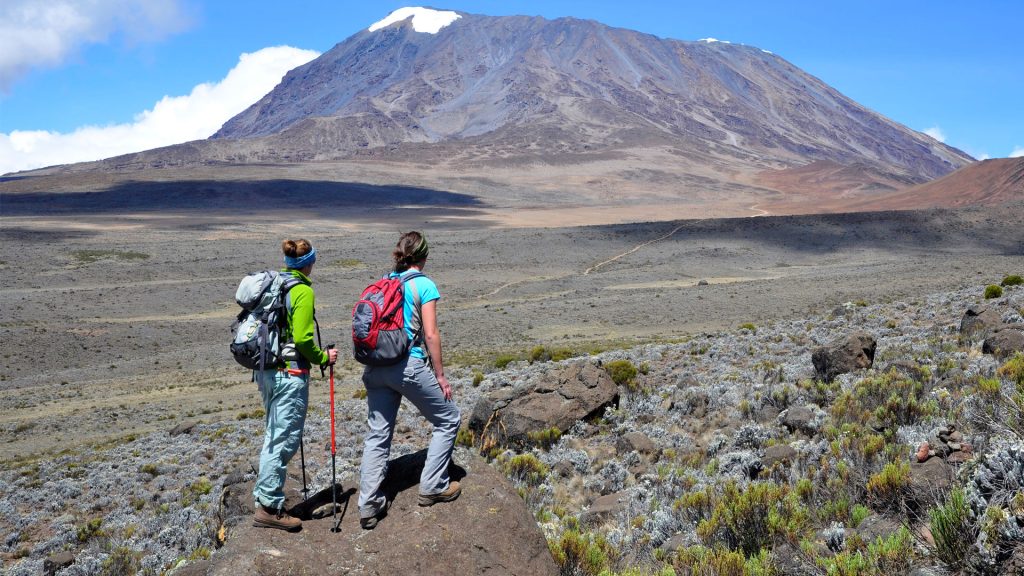
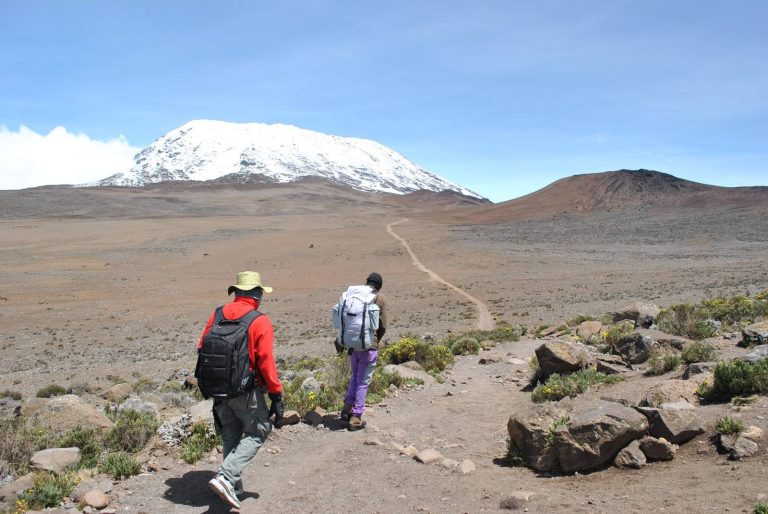
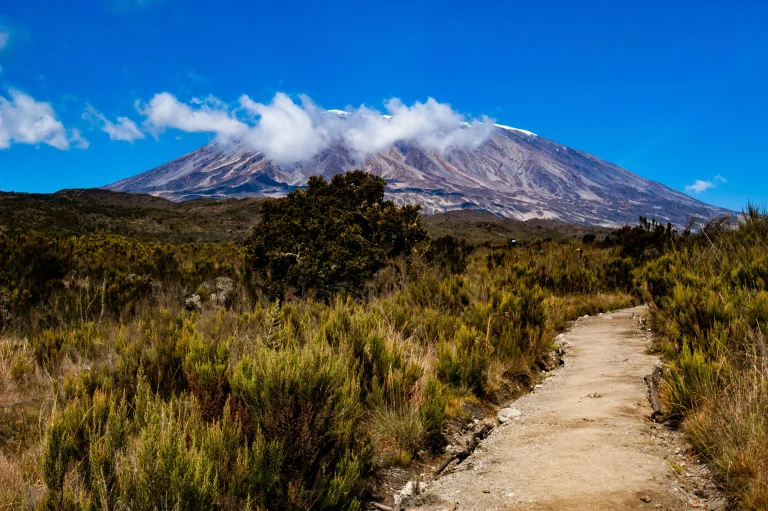
The route is known for its expansive landscapes, dramatic volcanic formations and panoramic views across the Shira Plateau. It eventually joins the Southern Circuit, continuing beneath Kilimanjaro’s glaciers through Lava Tower, Barranco Valley, Karanga Camp and Barafu Camp before the overnight summit attempt to Uhuru Peak.
Shira Route

Duration

8
Days

Duration

7
Nights
You’ll Visit

Shira Route Highlights

  • Remote western approach with a high-altitude start
  • Expansive Shira Plateau and volcanic landscapes
  • Panoramic views of Kibo and the surrounding peaks
  • Remote Moir Valley and excellent acclimatization opportunities
  • Lava Tower and the climb-high, sleep-low experience
  • Barranco Wall and the scenic Southern Circuit
  • Overnight summit attempt to Uhuru Peak
  • Scenic descent through the Mweka rainforest
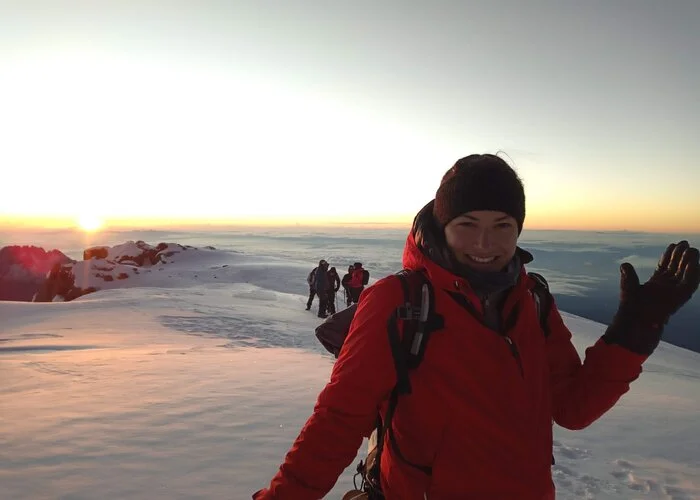
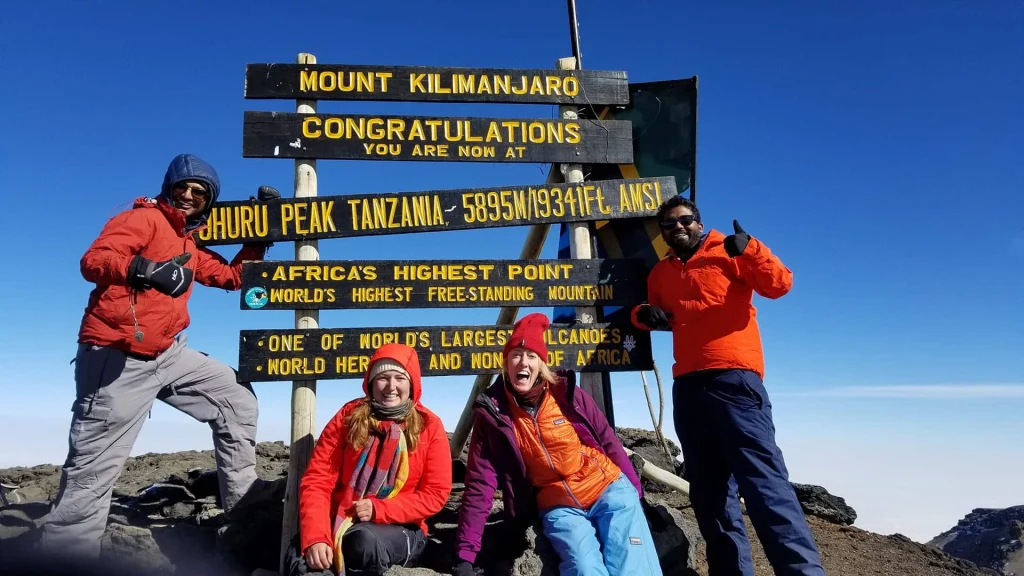
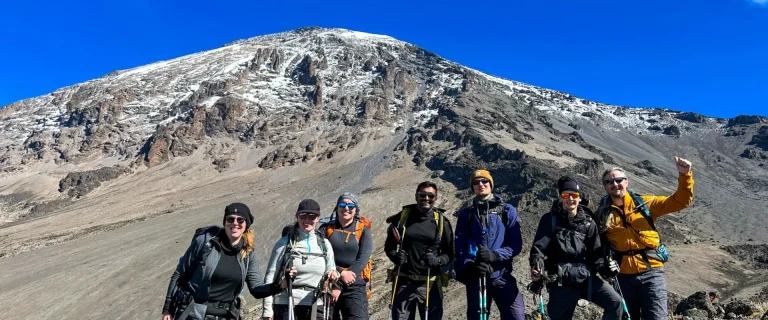
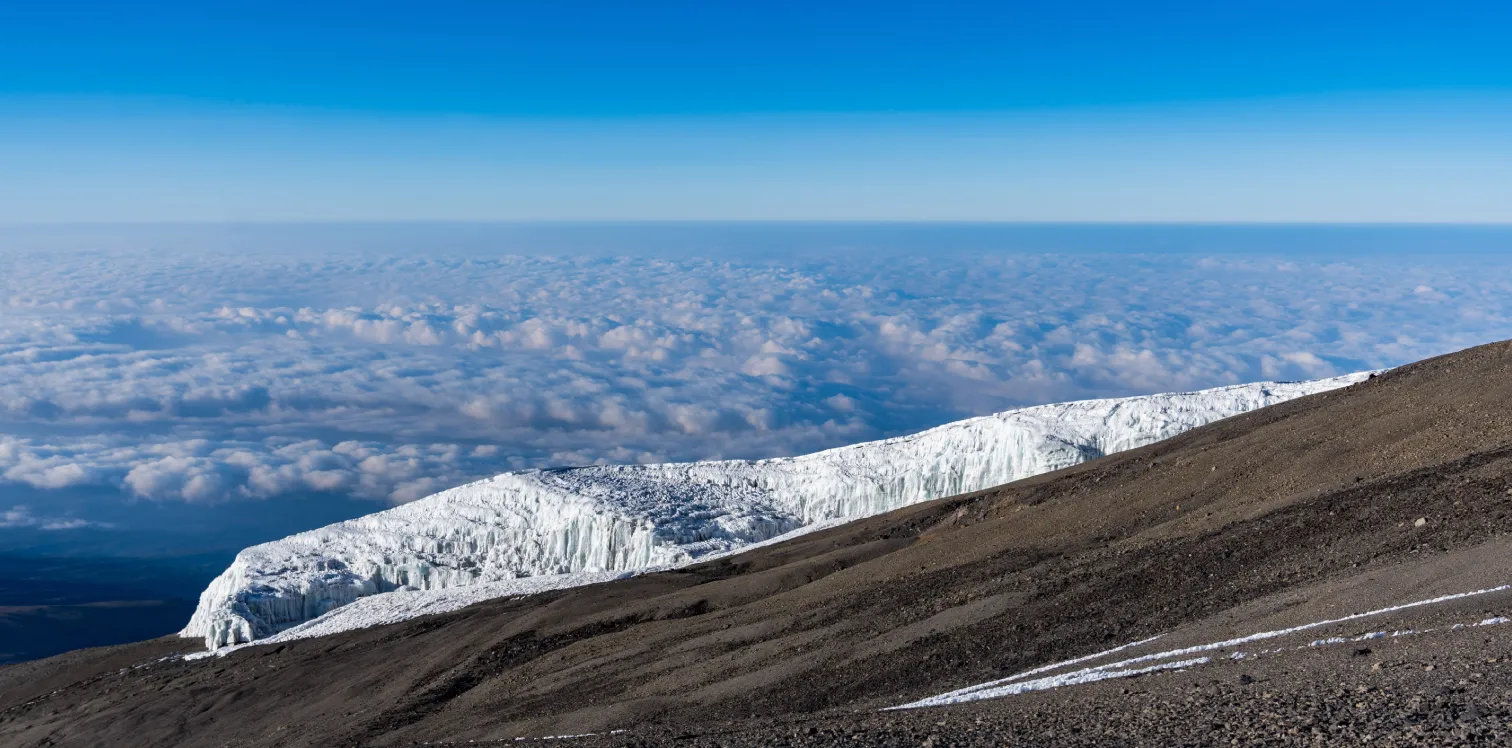
On the way to uhuru peak during Kilimanjaro Shira route

Safari Seasons & Pricing

Interested in this safari?

Get in touch with our travel experts for a personalized quote tailored to your preferences and travel dates.

Inquire Now

Route Itinerary

Make an Inquiry

Essential Equipment

  • Duffel bag
  • Daypack
  • Waterproof pack cover
  • Warm sleeping bag
  • Trekking poles
  • Headlamp
  • Spare batteries
  • Reusable water bottles
  • Hydration bladder
  • Sunglasses
  • Sunscreen
  • Lip balm
  • Personal first-aid supplies
  • Toiletries
  • Quick-drying towel
  • Dry bags or waterproof liners
  • Energy snacks
  • Personal medications

and many more…

Shira 1 Camp1 night
1
<strong>Western Kilimanjaro to Shira Trailhead and Shira 1 Camp</strong>

Starting Altitude: Approximately 3,400 metres
Ending Altitude: Approximately 3,500 metres
Walking Time: Approximately 2–4 hours
Habitat: Heath and moorland

After breakfast at your hotel, meet your Quest Horizon Safaris mountain team and travel toward the western side of Mount Kilimanjaro.

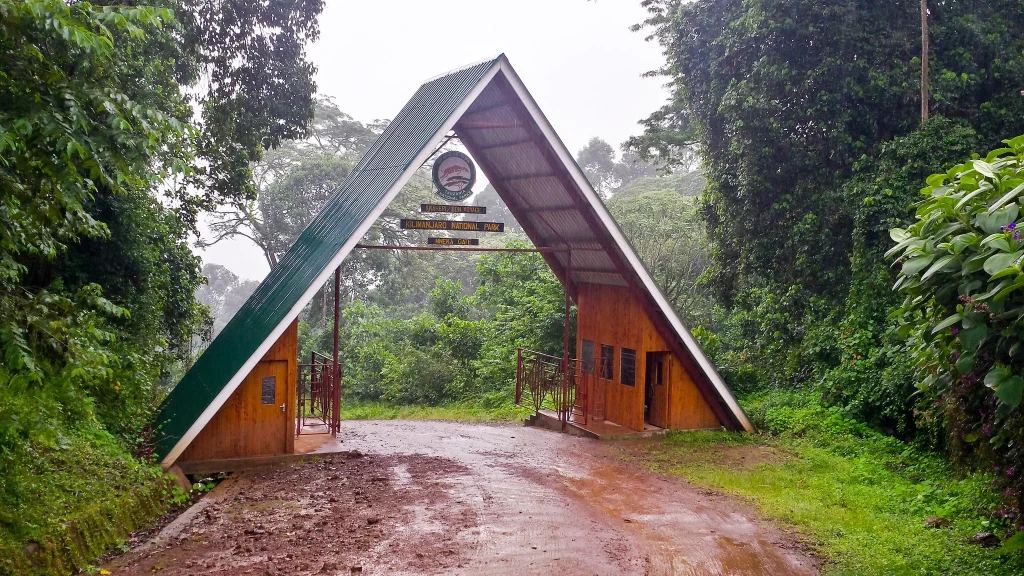
Complete the required registration and park-entry procedures before continuing by vehicle through Kilimanjaro’s western forest zone.

Depending on road and weather conditions, the drive may continue toward the Shira trailhead.

The trek begins at a relatively high elevation and follows a gradual path across heath and moorland vegetation toward Shira 1 Camp.

Although the walking distance may not be long, the day should not be underestimated. The sudden change in elevation can affect climbers soon after arrival.

Your guides will maintain a slow pace and monitor how each climber responds to the altitude.

Arrive at Shira 1 Camp, enjoy a hot meal and spend the remainder of the afternoon resting.

Dinner and overnight at Shira 1 Camp.

Shira 2 Camp1 night
2
Shira 1 Camp to Shira 2 Camp

Starting Altitude: Approximately 3,500 metres
Ending Altitude: Approximately 3,850 metres
Walking Time: Approximately 4–6 hours
Habitat: Moorland

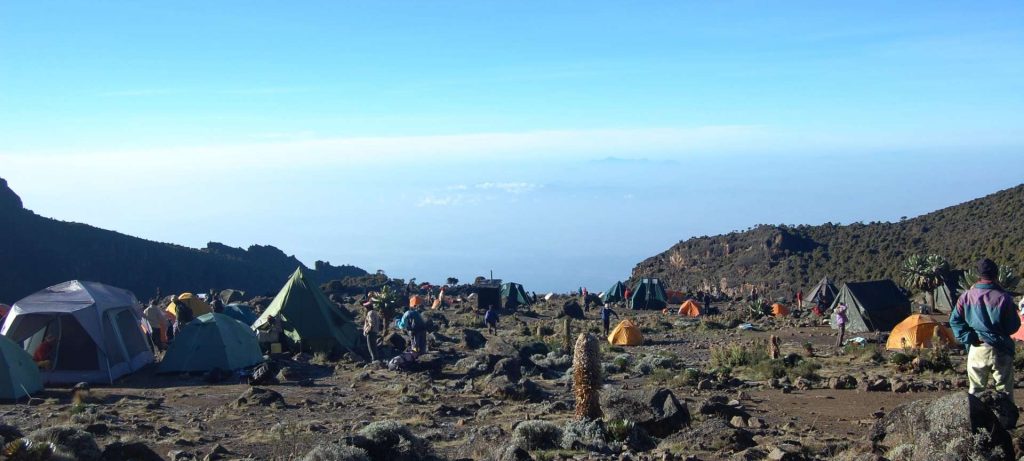
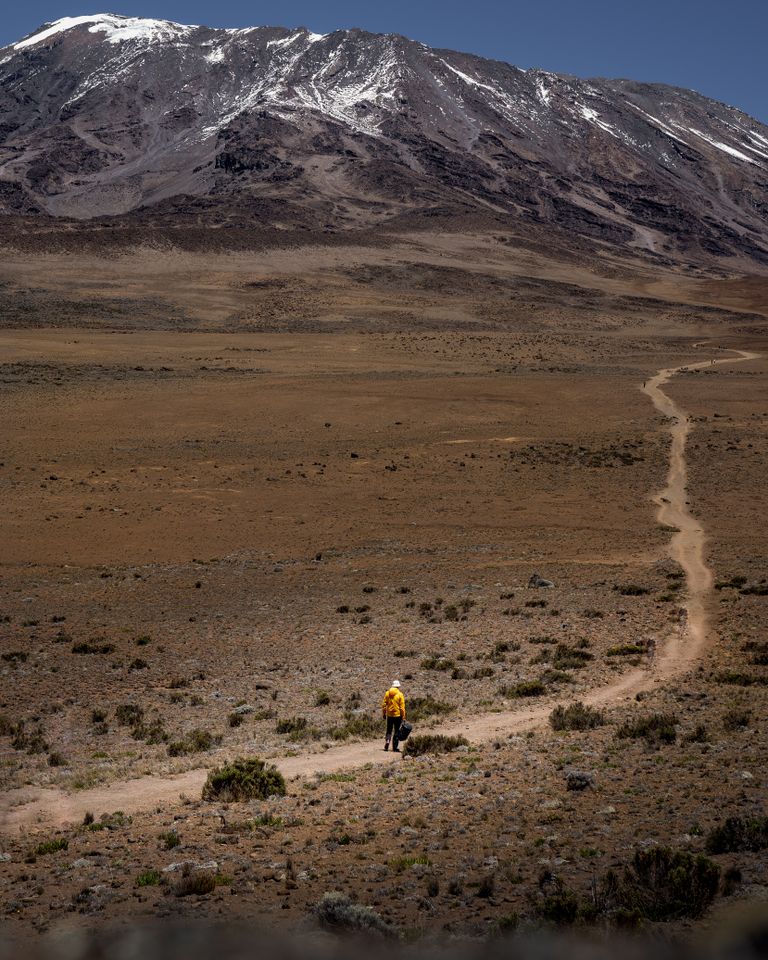
After breakfast, begin crossing the broad Shira Plateau.

The terrain is generally more open than the forest routes, allowing expansive views across western Kilimanjaro. On clear days, Kibo’s summit massif rises above the plateau while Mount Meru may be visible in the distance.

The trail passes through moorland vegetation shaped by strong sunlight, cold nights and changing mountain weather.

Depending on the group’s health, pace and weather conditions, the guides may include an optional acclimatization walk toward one of the nearby ridges or formations before continuing to camp.

Arrive at Shira 2 Camp during the afternoon.

After refreshments, your guide may recommend a gentle walk to a slightly higher elevation before returning to camp for dinner. This follows the acclimatization principle of gaining height during the day before sleeping lower.

Dinner and overnight at Shira 2 Camp.

Moir Hut1 night
3
Shira 2 Camp to Moir Hut

Starting Altitude: Approximately 3,850 metres
Ending Altitude: Approximately 4,200 metres
Walking Time: Approximately 4–6 hours
Habitat: Moorland and alpine desert

Leave Shira 2 Camp and continue toward the quieter northern edge of the plateau.

The landscape becomes increasingly dry and rocky as the route approaches the alpine desert zone.

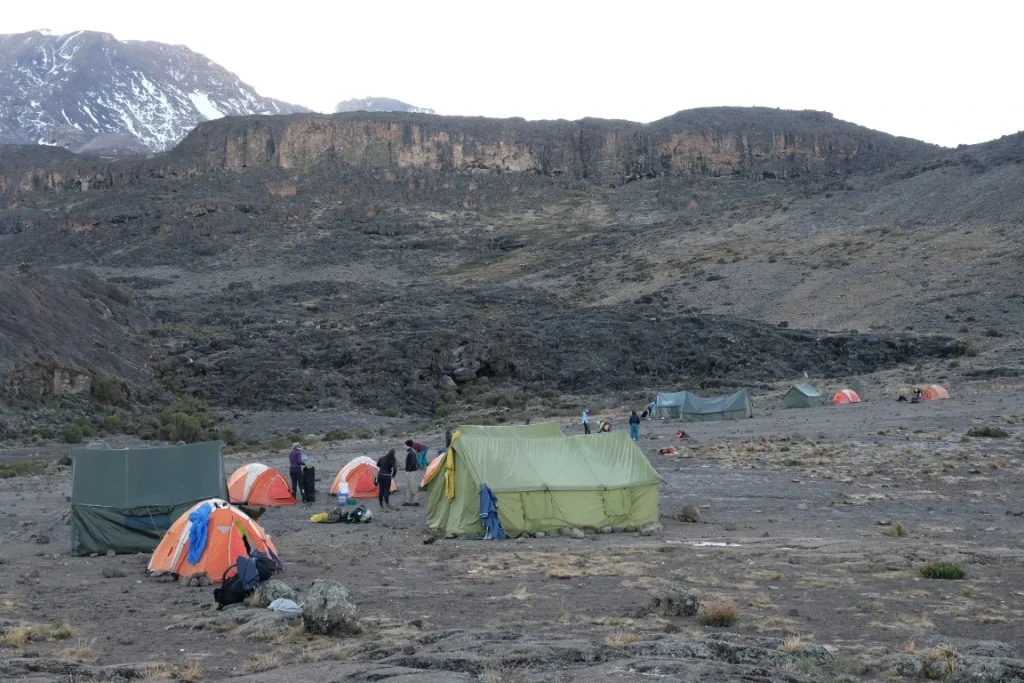
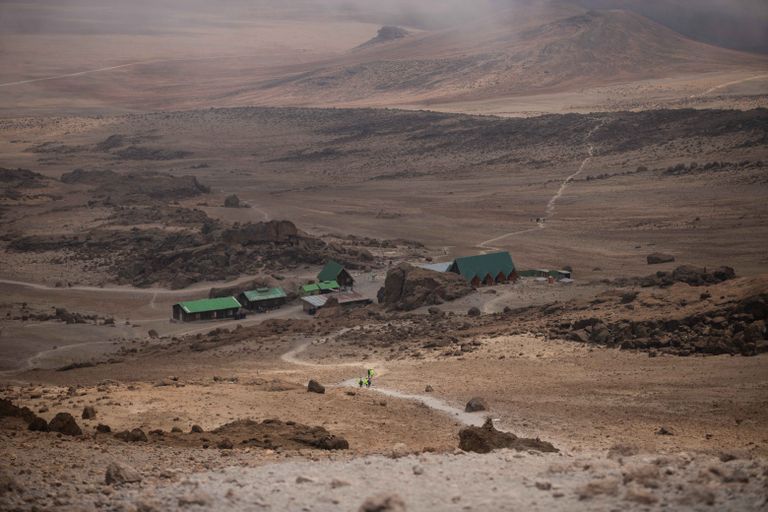
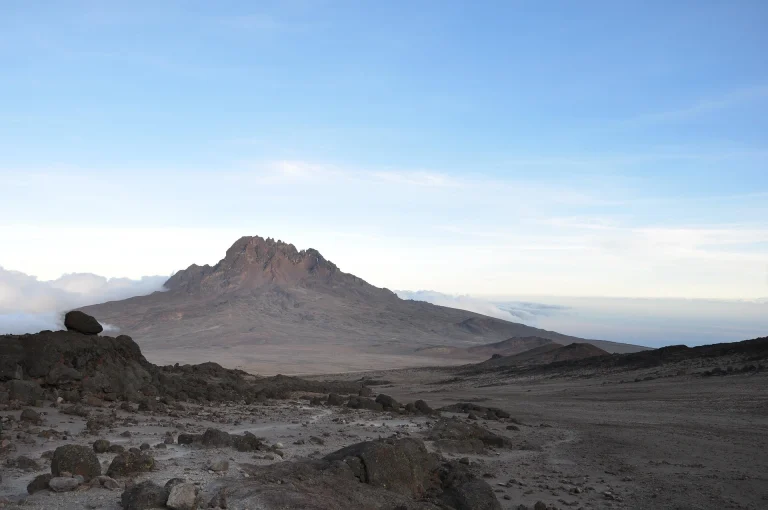
Moir Hut is situated in a secluded valley beneath dramatic ridges and volcanic formations. The area is less frequently visited than the main Southern Circuit camps and offers an excellent environment for acclimatization.

After arriving at camp and having lunch, climbers who are feeling well may complete a guided acclimatization hike on the surrounding slopes.

The walk is not a competition. Its purpose is to expose the body briefly to a higher elevation before returning to camp.

Your guides will assess each climber’s:

  • General condition
  • Appetite
  • Hydration
  • Headache level
  • Coordination
  • Oxygen saturation, where monitoring equipment is used

Dinner and overnight at Moir Hut.

Barranco Camp1 night
4
<strong><strong><strong>Moir Hut to Lava Tower and Barranco Camp</strong></strong></strong>

Starting Altitude: Approximately 4,200 metres
Highest Point: Approximately 4,600 metres
Ending Altitude: Approximately 3,950 metres
Walking Time: Approximately 6–8 hours
Habitat: Alpine desert and moorland

Today is one of the most important acclimatization stages of the expedition.

Depart Moir Hut and continue across exposed high-altitude terrain toward Lava Tower, a striking volcanic formation standing at approximately 4,600 metres.

The pace will remain deliberately slow.

Depending on the weather and the condition of the group, lunch may be served near Lava Tower. Spending time at this elevation allows the body to experience conditions similar to those around the higher summit camps.

After Lava Tower, descend into the Barranco Valley.

The reduction in sleeping altitude often helps climbers feel more comfortable by the time they reach camp.

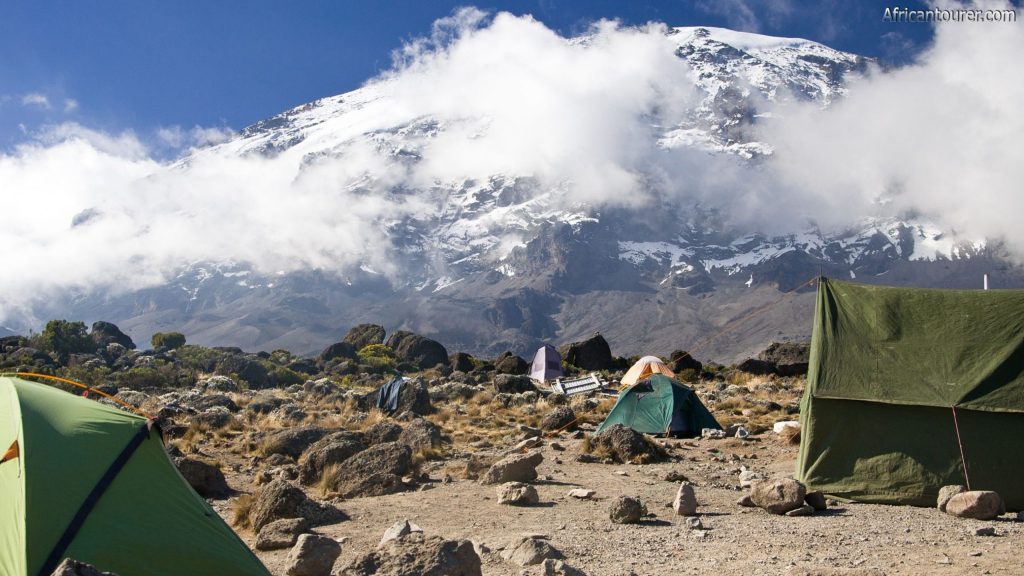
Barranco Camp is positioned beneath the imposing Barranco Wall and surrounded by giant groundsels, volcanic ridges and views of Kilimanjaro’s southern glaciers.

Dinner and overnight at Barranco Camp.

Karanga Camp1 night
5
<strong><strong>Barranco Camp to Karanga Camp</strong></strong>

Starting Altitude: Approximately 3,950 metres
Ending Altitude: Approximately 4,035 metres
Walking Time: Approximately 4–6 hours
Habitat: Alpine desert

After breakfast, begin climbing the famous Barranco Wall.

The wall looks intimidating when viewed from camp, but it is not normally considered technical climbing. The ascent involves steep walking, careful foot placement and occasional use of the hands for balance.

Your guides will assist at narrow or exposed sections.

The climb can become congested during busy periods, so patience and attention are essential.

At the top of the wall, enjoy impressive views across the Southern Circuit before descending and climbing through a series of valleys.

The final section leads into Karanga Valley and then climbs toward Karanga Camp.

Arrive in time for lunch or an afternoon meal, depending on the group’s pace.

The remainder of the day is reserved for rest, hydration and preparation for the higher camps.

Dinner and overnight at Karanga Camp.

Barafu Camp1 night
6
<strong>Karanga Camp to Barafu Camp</strong>

Starting Altitude: Approximately 4,035 metres
Ending Altitude: Approximately 4,640 metres
Walking Time: Approximately 3–5 hours
Habitat: Alpine desert

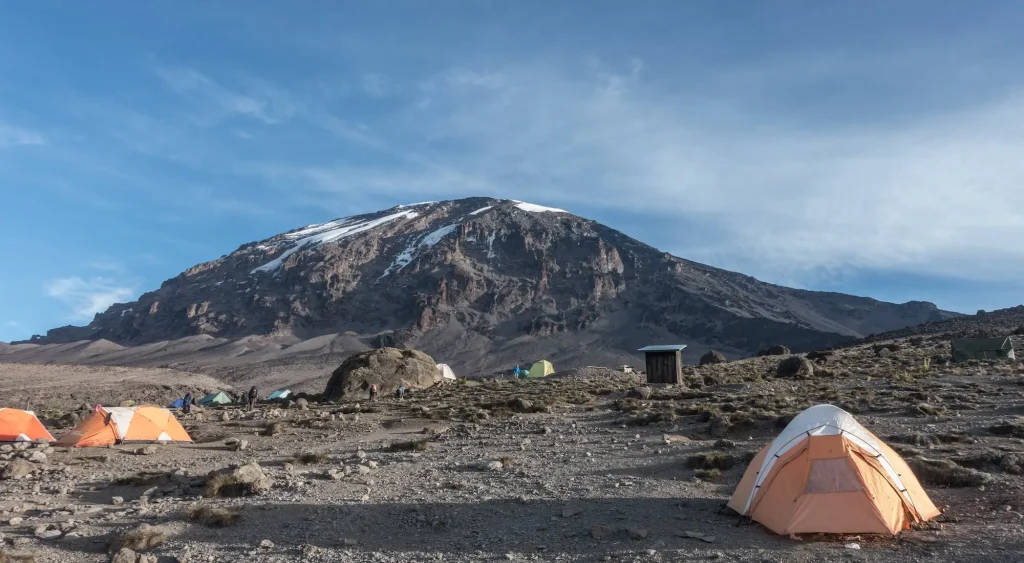
Continue gradually toward Barafu Camp through a stark alpine desert landscape.

Vegetation becomes extremely limited as the trail climbs toward the southeastern slopes of Kibo.

The word “Barafu” means “ice” in Swahili, reflecting the cold and exposed conditions that may be experienced at this elevation.

Arrive at camp early enough to eat, organize summit equipment and rest.

Your lead guide will conduct a detailed summit briefing covering:

  • Departure time
  • Required clothing
  • Headlamp preparation
  • Water management
  • Snacks and nutrition
  • Trekking pace
  • Weather expectations
  • Health monitoring
  • Emergency procedures
  • Turnaround decisions

Prepare your summit clothing and equipment before going to bed.

An early dinner is served, followed by several hours of rest. Most summit attempts begin around midnight.

Dinner and overnight at Barafu Camp.

Mweka Camp1 night
7
<strong>Barafu Camp to Uhuru Peak and Mweka Camp</strong>

Starting Altitude: Approximately 4,640 metres
Summit Altitude: 5,895 metres
Ending Altitude: Approximately 3,100 metres
Walking Time: Approximately 12–16 hours
Habitat: Arctic summit zone, alpine desert and moorland

Wake shortly before midnight and prepare for the most demanding stage of the expedition.

After a light meal and hot drink, begin climbing slowly through darkness toward Stella Point.

The trail is steep, cold and physically demanding. Climbers may encounter loose volcanic scree, strong winds, snow or temperatures well below freezing.

Your guides will maintain a controlled pace and regularly assess the group’s health.

Reaching Stella Point on the crater rim is a major achievement. Climbers who remain healthy and have sufficient strength continue toward Uhuru Peak.

The final section follows the crater rim, passing glaciers and exposed summit terrain.

Arrive at Uhuru Peak, 5,895 metres above sea level, the highest point in Africa.

Time at the summit is normally limited because of the extreme altitude, low temperatures and need to begin descending safely.

After photographs and a brief celebration, return to Barafu Camp for food and rest.

Continue descending toward Mweka Camp, where warmer temperatures and thicker air provide welcome relief.

Dinner and overnight at Mweka Camp.

Departure
8
<strong><strong>Mweka Camp to Mweka Gate</strong></strong>

Starting Altitude: Approximately 3,100 metres
Ending Altitude: Approximately 1,640 metres
Walking Time: Approximately 3–5 hours
Habitat: Montane rainforest

After breakfast, begin the final descent through Kilimanjaro’s tropical rainforest.

The trail can be wet, steep or muddy, particularly following rainfall. Trekking poles may provide valuable support.

As the vegetation becomes denser, listen for forest birds and look for monkeys among the trees. Wildlife sightings are possible but cannot be guaranteed.

Arrive at Mweka Gate and complete the park exit procedures.

Eligible climbers receive an official certificate corresponding to the highest recognized point reached.

Meet your transfer driver and return to your hotel for a hot shower, rest and celebration.

Inclusions

  • Kilimanjaro airport transfers when included in the confirmed package
  • Hotel-to-trailhead transfer
  • Mweka Gate-to-hotel transfer
  • Kilimanjaro National Park entry fees
  • Camping fees
  • Rescue fees
  • Licensed mountain guides
  • Assistant guides according to group size
  • Mountain cook
  • Porters
  • Three mountain meals daily
  • Treated drinking water
  • Sleeping tents
  • Sleeping mattresses
  • Dining tent
  • Tables and chairs
  • Cooking equipment
  • First-aid equipment
  • Emergency oxygen
  • Daily health monitoring
  • Government taxes and applicable statutory charges
  • Official summit certificate where applicable

Exclusions

  • International flights
  • Domestic flights unless specified
  • Tanzania visa
  • Travel insurance
  • High-altitude evacuation insurance
  • Pre-climb and post-climb hotel accommodation unless specified
  • Sleeping bag
  • Personal trekking equipment
  • Trekking poles
  • Personal medications
  • Portable private toilet unless included
  • Alcoholic and bottled beverages
  • Tips for the mountain crew
  • Laundry
  • Telephone and internet charges
  • Personal purchases
  • Additional accommodation caused by flight disruption
  • Expenses resulting from early descent
  • Optional safari or Zanzibar extension

Visa & Entry Requirements

Most visitors need a visa to enter Tanzania for tourism. Requirements vary by nationality, so confirm your specific situation on the official Tanzania Immigration Services eVisa portal before you travel

Select your citizenship

Visa required:
Visa type:
Visa cost:
Approval time:
Passport illustration

More trips

Speak to an Expert

Let one of our Quest Horizon Safari specialists design
your tailor‑made African adventure

Need Help? Chat with us.